

Opinion
Smart Museums: Key Takeaways from the AIM Conference 2026
Published on 16 Jun, 2026 by James H.
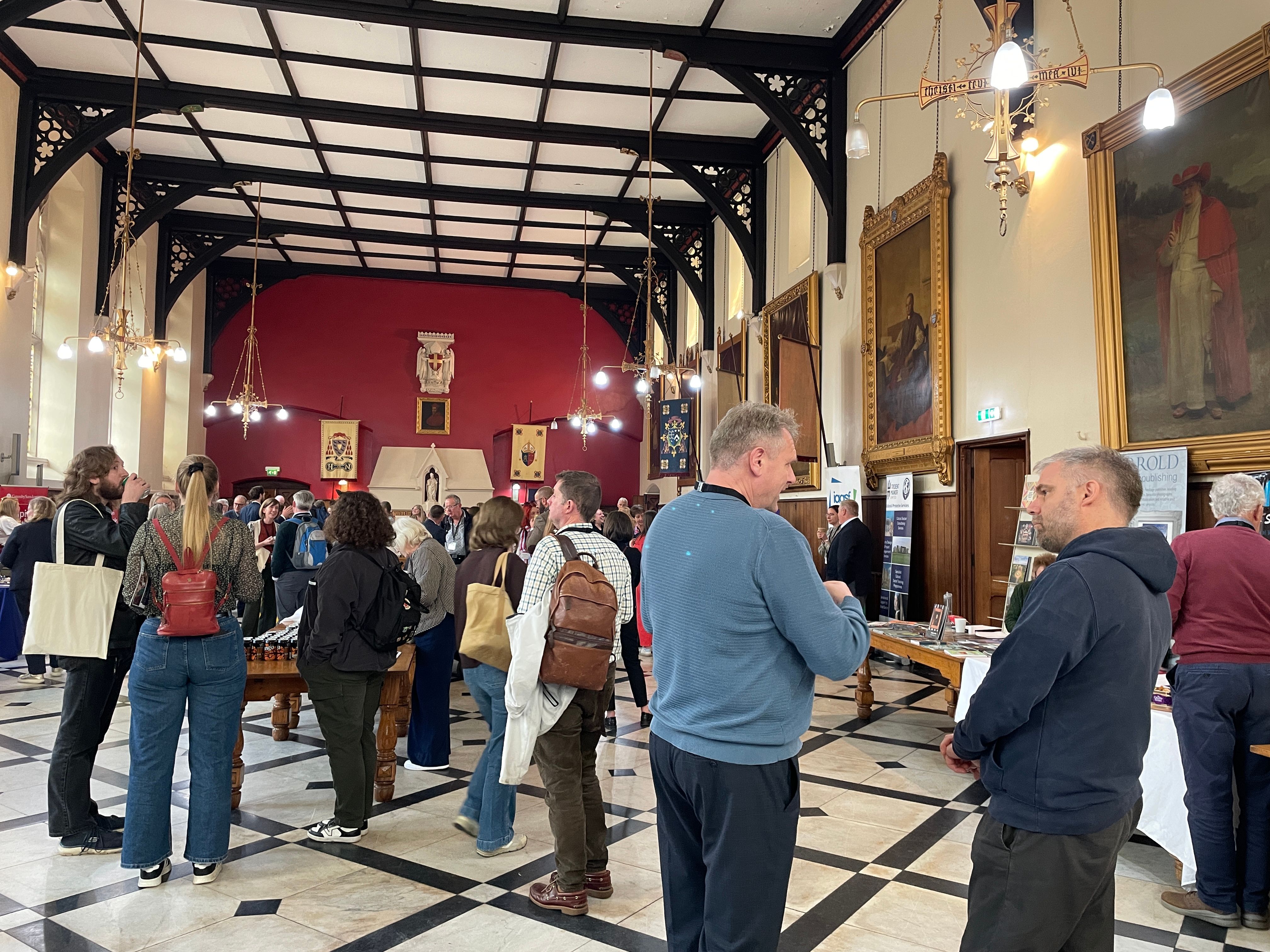
Last week, Green Custard attended the Association of Independent Museums (AIM) Conference 2026, held at the stunning Ushaw: Historic House, Chapels and Gardens in County Durham.
It was our first time at this particular event, but having worked with a number of museums across the UK in recent years, particularly around the Internet of Things (IoT), it felt like the right moment to engage more deeply with the sector, share what we've worked on to date, and listen to the challenges that matter most to the people running these incredible spaces.
What resonated with us
One theme ran through almost every conversation we had: the challenge of capturing meaningful data in a way that is low cost, non-invasive, and practical for small teams. Footfall, room humidity, temperature, CO₂ and lux levels, cabinet conditions for delicate artefacts, dwell time on temporary exhibits, energy consumption, external building utilisation amongst others. The appetite for this kind of insight is very real, and so is the need for it. This data helps museums understand how visitors use their spaces, ensures collections are kept in the right environmental conditions, and provides the evidence base that funding applications increasingly demand.
Our demonstration of AI layered on top of sensor data generated a lot of positive interest. Alongside visual dashboards, an AI agent gives anyone in the museum, regardless of technical ability, the power to ask plain-English questions of their data. From "Show me the average temperature across the museum over the last week" to genuinely revealing questions like "Which part of the museum is losing heat fastest after 6pm?" The ability to unlock that kind of insight simply and quickly clearly struck a chord.
Digital twins also sparked some great conversations. A digital walkthrough of the museum, available online during closed periods with an optional donation prompt, opens up an interesting avenue for additional revenue during quieter months, without replacing the real experience, of course.
What we learned
We came away having learned as much as we shared, and we're grateful to everyone who took the time to talk with us.
It became clear that a significant number of independent museums still rely on volunteers for data capture, whether that's counting visitors, logging temperature and humidity readings, or taking lux measurements near sensitive artefacts. Recruiting and retaining volunteers has always been challenging, but with the retirement age rising and the cost of living squeezing people's time and availability, it's become harder than ever. Automating data capture, even modestly, frees volunteers to focus on what they do best: engaging with visitors and bringing the museum to life.
Funding pressures were an equally consistent thread. Grants remain a vital lifeline, and there's a growing recognition that environmental and museum utilisation IoT sensor data doesn't just qualify for certain grant streams, it actively strengthens applications for others. Evidence of persistent damp, unstable environmental conditions, or detailed visitor flow data across specific buildings and exhibits can make the difference in a competitive application.
Finally, the importance of temporary exhibits came through strongly. They drive repeat visits, tell new stories, and keep a museum feeling fresh. Better data on dwell time and visitor engagement with temporary displays gives teams the evidence they need to make smarter decisions about future programming.
Thinking about smart sensing for your museum?
We've put together a practical, jargon-free guide specifically for independent museum professionals. It covers everything from environmental monitoring and light and UV sensing to anonymous visitor counting, explaining how small teams can deploy discreet IoT sensors without extensive cabling or reliance on existing Wi-Fi infrastructure.
The guide walks through nine real-world use cases, maps them to the stakeholders who benefit, from conservation teams to leadership, lenders, and visitors and draws on our experience working with museums across the UK.